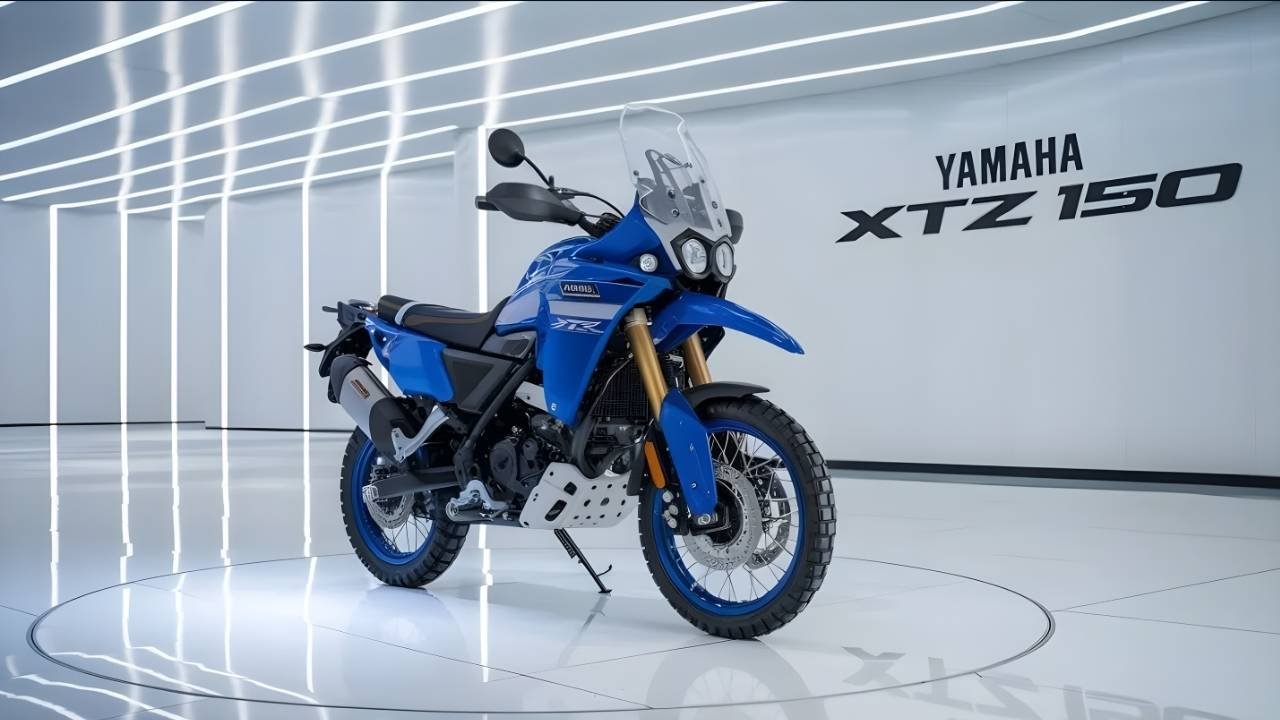
The Yamaha XTZ 150 has built a strong reputation across global markets as an affordable and dependable entry into adventure and dual-sport motorcycling. Known under names like Tenere 150, Crosser 150, and Lander in different regions, the motorcycle has consistently appealed to riders who want simplicity, durability, and the freedom to explore beyond paved roads. For the 2026 model year, Yamaha is expected to refine this trusted formula with updated styling, improved efficiency, and modern features while retaining the bike’s core character.
Adventure-Inspired Design Update
The 2026 Yamaha XTZ 150 is expected to adopt a more aggressive and modern adventure-focused design. Yamaha’s larger Ténéré models have clearly influenced the direction, and this smaller sibling is likely to reflect that rugged DNA. The stance remains tall and upright, reinforcing its off-road intent, but with sharper lines and a more contemporary appearance.
The front end is anticipated to feature a redesigned headlight cowl that looks bolder and more purposeful. Body panels may appear slimmer and more angular, giving the bike a lighter and more athletic feel. New color options are also expected, blending Yamaha’s traditional adventure themes with modern finishes that appeal to younger riders and urban commuters alike.
Engine and Performance Refinement
At the heart of the Yamaha XTZ 150 2026 will remain its proven 149cc air-cooled single-cylinder engine. Yamaha is unlikely to change the basic engine architecture, as its reliability and ease of maintenance are key selling points. Instead, refinements will focus on smoother power delivery and improved efficiency.
The engine is expected to continue producing modest yet usable power, ideal for climbing rough terrain and navigating city traffic with ease. Throttle response is likely to feel more refined thanks to updated fuel injection tuning. Compliance with the latest emission standards will also ensure cleaner operation without compromising the bike’s dependable nature.
Fuel Efficiency and Everyday Usability
Fuel economy has always been a strong advantage of the XTZ 150, and the 2026 version is expected to continue this tradition. Efficient engine tuning and lightweight construction should allow the motorcycle to deliver excellent mileage, making it economical for daily commuting as well as long-distance riding.
Its manageable power output and smooth gearing make it easy to ride in traffic while still being capable enough for weekend adventures. This balance between efficiency and versatility is one of the main reasons the XTZ 150 has remained popular in developing and emerging markets.

Chassis and Suspension for Off-Road Confidence
The Yamaha XTZ 150’s chassis setup plays a major role in its off-road capability. For 2026, the lightweight steel frame is expected to continue, offering durability and flexibility on rough terrain. The geometry favors stability and control, making the bike approachable for new riders.
Long-travel suspension at both ends helps absorb bumps, potholes, and uneven surfaces with confidence. Whether riding on gravel roads, dirt trails, or poorly maintained city streets, the suspension setup allows the rider to maintain control and comfort. The upright ergonomics further enhance visibility and handling in off-road conditions.
Tyres and Improved Stability
An important update for the 2026 XTZ 150 is expected to come in the form of revised tyre specifications. Yamaha is likely to introduce an updated dual-purpose tyre setup that improves grip on loose surfaces while maintaining stability on asphalt.
These tyres, combined with the bike’s balanced weight distribution and suspension tuning, should enhance overall off-road stability. Riders can expect better confidence when navigating mud, gravel, or uneven terrain without sacrificing everyday road usability.
Technology and Instrumentation
While the XTZ 150 has traditionally been a simple machine, the 2026 model is expected to introduce select modern features. A new digital instrument cluster may replace the older analog setup, providing clearer information such as speed, fuel data, and trip readings.
Connectivity-focused features like a USB charging port are also anticipated, reflecting the needs of modern riders who rely on smartphones for navigation and communication. These additions aim to improve convenience without complicating the riding experience.
Safety and Braking System
Safety updates are likely to play a larger role in the 2026 Yamaha XTZ 150. Single-channel ABS may become standard in more markets, offering improved control during emergency braking on paved roads. At the same time, Yamaha is expected to maintain off-road practicality by allowing controlled rear-wheel braking on loose surfaces.

The braking setup will continue to focus on predictability rather than outright performance, which suits the bike’s dual-purpose nature and target audience.
Position in the Lightweight Adventure Segment
The Yamaha XTZ 150 2026 will continue to compete in a crowded and competitive lightweight adventure and dual-sport segment. Its biggest advantage remains its global reputation for reliability, low maintenance costs, and beginner-friendly ergonomics.
While competitors may offer more features or power, the XTZ 150’s simplicity and proven durability give it a unique appeal. It remains a logical choice for riders looking for a single motorcycle that can handle daily commuting, rough roads, and weekend exploration.
Final Verdict on Yamaha XTZ 150 2026
The Yamaha XTZ 150 2026 is shaping up to be a thoughtful evolution of a trusted adventure motorcycle. By introducing updated design elements, refined performance, and select modern features, Yamaha aims to keep the model relevant without losing its core strengths.
For new riders, budget-conscious buyers, and anyone seeking a dependable gateway into adventure riding, the XTZ 150 continues to stand out as a practical and capable option. Its blend of economy, simplicity, and versatility ensures it remains a strong contender for the next generation of explorers.