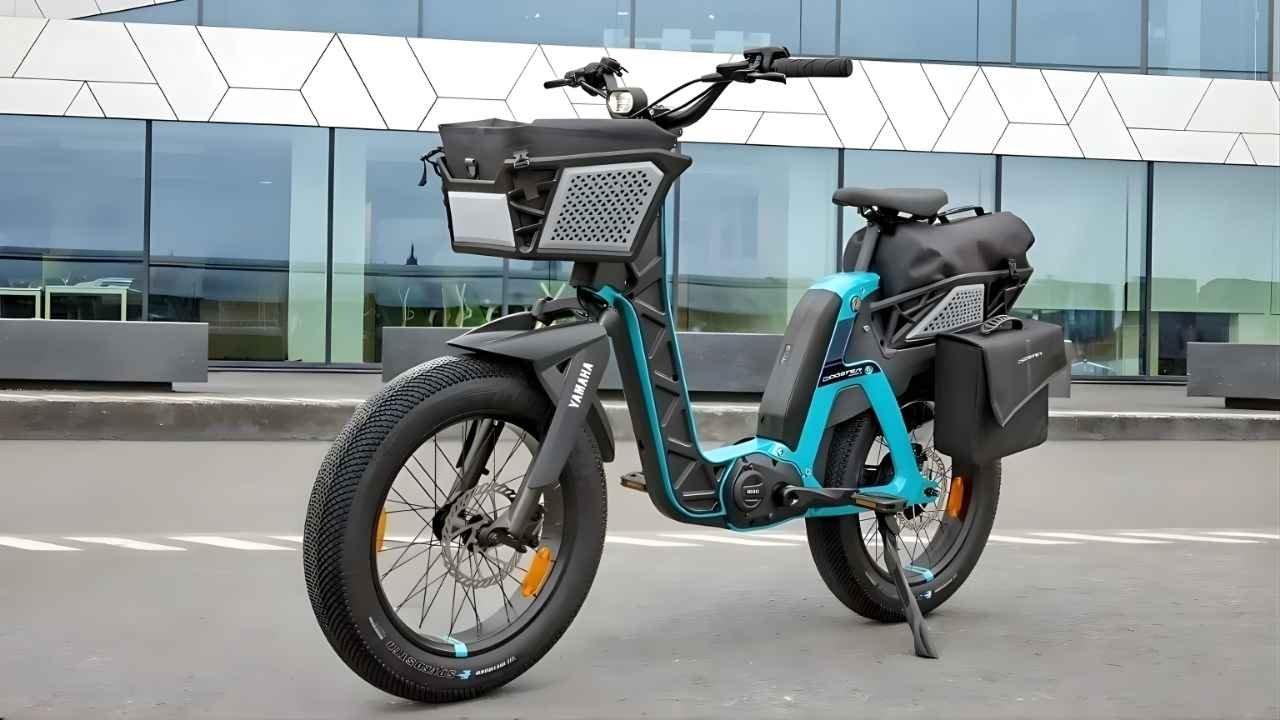
Yamaha has taken a bold step toward affordable electric mobility in India with the introduction of its new electric cycle for 2026. Known globally for performance motorcycles, Yamaha is now targeting everyday commuters with a simple, practical, and budget-friendly electric solution. With low ownership costs and an impressive riding range, this electric cycle is designed for India’s evolving urban and semi-urban transport needs.
A New Direction for Urban Mobility
Indian cities are facing increasing challenges such as fuel price hikes, traffic congestion, and rising pollution levels. In response, many commuters are searching for economical and environmentally friendly alternatives. Yamaha’s electric cycle addresses these concerns by offering an accessible form of electric transport that does not require licenses, registration, or expensive maintenance.
This move reflects Yamaha’s understanding of changing consumer behavior, especially among students, office workers, and short-distance commuters.
Long Riding Range for Daily Use
One of the most appealing aspects of Yamaha’s electric cycle is its claimed riding range of up to 140 kilometers on a single charge. This makes it suitable for daily travel without frequent charging interruptions. Riders covering short to medium distances can comfortably use the cycle for several days before recharging.
The extended range makes it practical not only for city commuting but also for campus travel, delivery tasks, and small-town transportation.
Battery and Motor Setup
The electric cycle is powered by an efficient hub motor paired with a lightweight lithium-ion battery. The battery is designed for durability and consistent performance, delivering smooth assistance across different road conditions. A full charge takes approximately seven to eight hours, making overnight charging convenient for most users.
The removable battery design allows users to charge it indoors, eliminating the need for dedicated charging infrastructure.

Lightweight Frame and Riding Comfort
Yamaha has focused on comfort and ease of use while designing this electric cycle. The lightweight frame makes handling effortless, even for first-time riders. An upright riding posture helps reduce fatigue during longer rides, while adjustable seating ensures comfort for riders of different heights.
Shock-absorbing suspension and wide tyres provide stability on uneven roads, making the cycle suitable for Indian city streets and rural paths alike.
User-Friendly Features
The electric cycle comes equipped with a simple digital display that shows essential information such as battery level, speed, and riding mode. Multiple assist modes allow riders to choose between higher range or stronger power support, depending on their needs.
Minimal controls and a straightforward interface make the cycle easy to operate for all age groups, including senior citizens.
Safety and Build Quality
Safety has not been overlooked in Yamaha’s electric cycle. The braking system provides reliable stopping power, while strong tyres ensure grip on wet and dusty roads. The sturdy frame adds confidence during daily rides and supports long-term durability.
Reflectors and integrated lighting improve visibility during early morning and evening rides, enhancing rider safety in traffic.
Cost Efficiency and Environmental Benefits
One of the biggest advantages of the Yamaha electric cycle is its low running cost. With no fuel expenses and minimal maintenance requirements, it significantly reduces monthly travel expenses. Charging costs are negligible compared to petrol-powered vehicles.

From an environmental perspective, the cycle produces zero emissions during use, contributing to cleaner air and reduced noise pollution in crowded urban areas.
Impact on the Budget Electric Segment
Yamaha’s entry into the affordable electric cycle segment is expected to create strong competition in the market. Its pricing strategy and brand reliability may encourage more consumers to consider electric alternatives. This could also push other manufacturers to offer better features at competitive prices.
By focusing on practicality rather than unnecessary complexity, Yamaha is positioning this electric cycle as a sensible everyday solution.
Final Thoughts
The Yamaha electric cycle for 2026 represents a shift toward simple, affordable, and sustainable transportation. With its long range, lightweight design, and low ownership costs, it offers a practical option for daily commuters across India.
For students, office-goers, and environmentally conscious riders looking for a dependable and economical mode of transport, Yamaha’s electric cycle stands out as a smart and forward-looking choice.