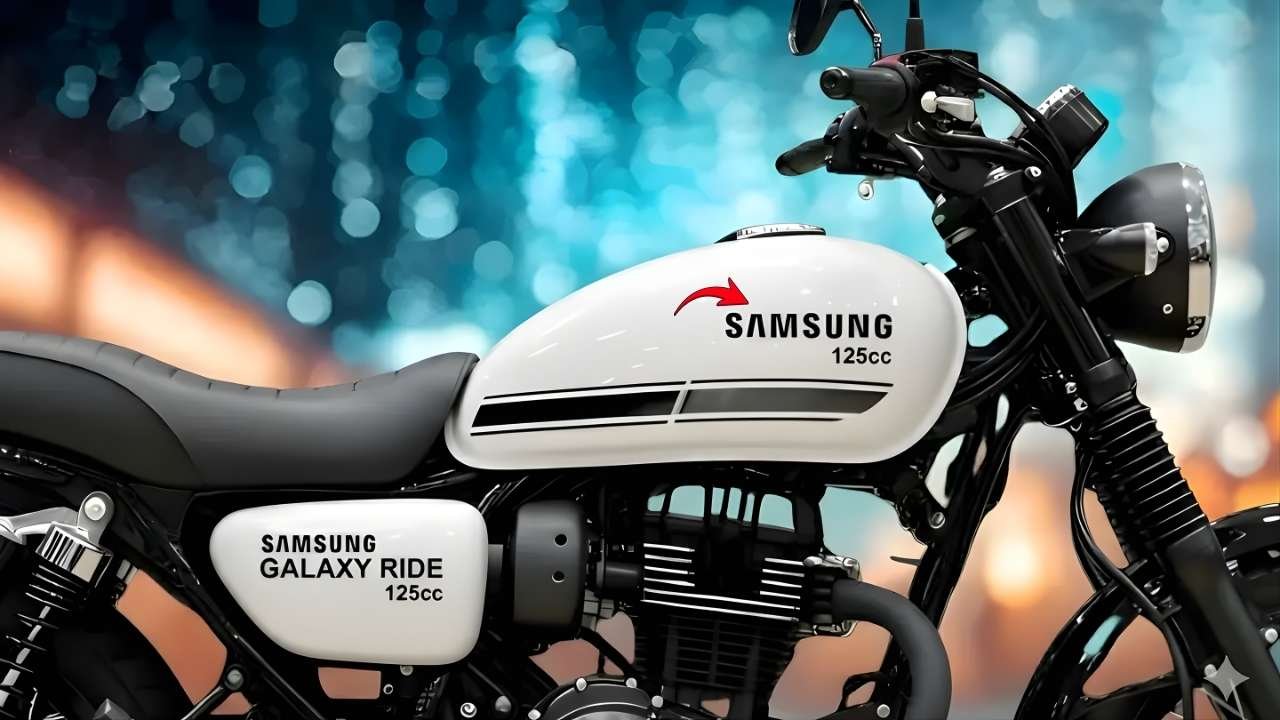
Samsung stepping into the Indian motorcycle market is something few people saw coming. Known globally for smartphones and electronics, the brand is now rumored to be working on a 125cc commuter bike aimed directly at India’s mass market. While it may sound unexpected at first, the move actually feels well-timed, especially when fuel prices are high and buyers are demanding smarter, more efficient two-wheelers.
Why Samsung Is Looking at Two-Wheelers Now
India is one of the world’s largest two-wheeler markets, and commuter bikes are the backbone of daily transportation here. For millions of riders, a bike isn’t a lifestyle choice but a necessity. Samsung understands ecosystems better than most companies, and entering mobility could be a strategic expansion rather than a random experiment. The company already invests heavily in batteries, software, displays, and connectivity, all of which are becoming increasingly relevant in modern vehicles.
Expected Engine and Performance Approach
The upcoming Samsung bike is expected to use a 125cc single-cylinder engine focused on efficiency rather than speed. Power figures are likely to be modest, around the 10 bhp mark, which is perfectly adequate for city riding. The real talking point, however, is the claimed mileage of up to 90 km per litre. Even if real-world figures are lower, anything above 70 km/l would make it one of the most economical bikes in the segment.
Mileage Focused for Indian Commuters
Fuel efficiency remains the top priority for most 125cc buyers, and Samsung seems to be building the bike around that single idea. A lightweight chassis, refined engine tuning, and smart fuel management could help achieve impressive mileage numbers. With a fuel tank expected to hold around 10 to 11 litres, riders could potentially go weeks without visiting a petrol pump.
Technology That Could Change the Segment
This is where Samsung may truly stand out. Unlike traditional manufacturers who add connectivity as an afterthought, Samsung is expected to integrate technology from the ground up. A fully digital instrument console is likely, possibly with smartphone pairing, navigation support, and call alerts. Real-time mileage tracking, service reminders, and basic vehicle diagnostics could become standard features rather than expensive add-ons.
Practical Design With a Modern Touch
Design-wise, the Samsung 125cc bike is expected to avoid flashy elements and focus on clean, modern styling. LED lighting, a sharp headlamp design, and a well-sculpted fuel tank could give it a premium look without alienating conservative buyers. The seating posture is expected to be upright and comfortable, suitable for long daily rides in traffic-heavy cities.

Ride Comfort and Everyday Usability
For Indian road conditions, comfort matters more than outright performance. The bike is expected to come with telescopic front forks and a rear monoshock setup tuned for potholes and uneven surfaces. A manageable seat height and lightweight body should make it accessible for riders of all ages. Manoeuvrability in traffic and easy handling will be key strengths if tuned correctly.
Safety Features That Meet Modern Standards
Safety is likely to be kept simple but compliant. A front disc brake with single-channel ABS is expected, along with a rear drum brake. Tubeless tyres and stable braking performance should provide enough confidence for everyday riding. While it may not push boundaries in safety tech, it should meet all current regulations comfortably.
Pricing Strategy and Market Positioning
Industry expectations suggest a price range between ₹70,000 and ₹85,000 ex-showroom. This places the bike in direct competition with popular models from Hero, Honda, and Bajaj. Samsung appears to be targeting buyers who are willing to pay slightly more for better technology, design, and brand value, similar to how it positioned its smartphones in India.
Possible Launch Timeline in India
While Samsung has not officially confirmed the project, reports suggest a launch sometime in the first half of 2025. The company may initially introduce the bike in major cities before expanding to smaller towns. If Samsung leverages its existing retail presence and service partnerships effectively, the rollout could be faster than expected.
Challenges Samsung Will Need to Overcome
Despite the excitement, the road ahead won’t be easy. Building trust in a market dominated by decades-old brands will take time. Service reach, spare parts availability, and long-term reliability will be closely watched. Indian riders are practical, and no amount of technology can replace dependable performance on bad roads and in extreme weather.
Who This Bike Is Meant For
This bike seems aimed at young professionals, students, and daily commuters who want excellent mileage without riding something outdated. It’s for buyers who value technology, reliability, and low running costs, and who are open to trying something new if it makes sense financially.

Final Thoughts on the Samsung 125cc Bike
Samsung’s entry into the 125cc motorcycle segment could be one of the most interesting developments in the Indian two-wheeler industry in years. If the company delivers on its mileage claims, offers meaningful technology, and backs the product with strong after-sales support, it could genuinely disrupt the commuter bike space.
For now, it’s best to stay curious but cautious. Once the bike officially launches and real-world reviews come in, we’ll know whether Samsung has created just another commuter or something that truly redefines expectations. One thing is certain—the competition won’t be able to ignore this move.